
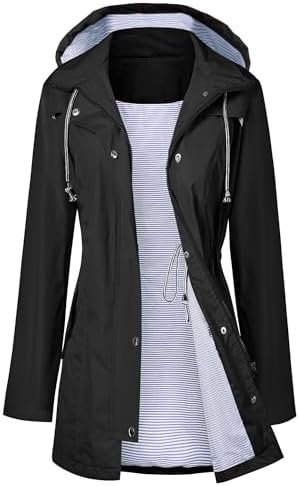
 Women Rain Jacket Belted Adjustment Hooded Long Lightweight PackableA coated long shell lined in striped cotton, cut with an adjustable drawcord waist and a deep hood in solid black. 4.5 out of 5 · 9,048 ratings$43.69
Weather notes
What keeps the rain out of cloth
We cut 21 pieces for the rain and wind section across our wider collection of 254 pieces. A shell sheds water because the face cloth carries a coating, while an untreated weave lets water soak through the yarns. How the seams, cuffs, and plackets are set decides what gets past the cloth.
Face cloth and the coated surface
Water beads on a coated face cloth and rolls down the panels. A plain woven cloth lacks that barrier, so moisture moves straight into the weave and wets the garment out. We cut hooded rain jackets and windbreakers from coated shells to turn the wet away at the surface. When rain hits an uncoated jacket, the yarns absorb the drops and carry the weight into the shoulder seam and sleeves. A coated shell stays lighter on the back because water cannot sink into the face material. The coating turns the panel into a true barrier against falling rain.
Where seams and zips meet water
The needle punches tiny holes along every seam during assembly. Water finds those needle holes before it finds the flat cloth, so the construction around the joints matters. A bare front zipper lets wind and wet slip past the teeth. A front placket cut with a wide fold covers the zipper track and keeps rain from pushing straight through the front opening. Look at the collar and pocket welts as well. When the pocket entry sits behind a storm flap, water runs down the coat front instead of pooling inside the pocket bag where you keep your keys.
Hoods, cuffs, and hem cords
A hood without a cord catches the wind and falls off the head. A hood cut with a drawstring stays close to the brow when you turn your neck in the rain. The cuff matters just as much. A wide, open sleeve opening lets water run down the arm when you lift your hands. An elastic cuff or a tab closure fastens the sleeve against the wrist to stop wind from driving up the arm. At the bottom, a drawcord in the hem pulls the shell tight around the hips, stopping upward gusts from lifting the body of the coat.
The trade between breathability and weather
A coated shell stops rain from getting in, but it also slows how quickly warm air leaves the interior. Air moves through the weave of an uncoated jacket easily. A coated jacket holds that air inside, so walking hard up a slope can make the interior feel close and warm. That is the honest reality of waterproof cloth. You choose between air moving through the yarns or water stopping at the surface. For active days in steady rain, keeping wet weather off your base layer matters more than having maximum airflow through the outer panels of your jacket.
Lined trench coats and packable shells
A lined trench coat is built differently from a lightweight windbreaker. The trench uses a heavier face fabric backed by an inner lining that glides over sweaters and knitwear. It hangs straight down past the knee to cover longer layers during city commutes. A packable shell strips out the inner lining to stay light enough to roll small. It works best when you need a light layer in a bag for sudden showers. The lined trench gives structure and wind resistance over workwear, while the packable jacket handles quick squalls on the move.
- Our catalogue contains 254 pieces arranged across 7 sections.
- We cut 21 pieces for the rain and wind section.
- A coated face cloth turns water away at the surface while plain woven cloth absorbs it.
- A wide front placket covers the zipper teeth to stop wet from pushing through.
- Drawstrings at the hood and hem adjust the openings against incoming wind and rain.
From this section
Pieces the note is about
Women Rain Jacket Belted Adjustment Hooded Long Lightweight PackableA coated long shell lined in striped cotton, cut with an adjustable drawcord waist and a deep hood in solid black. 4.5 out of 5 · 9,048 ratings$43.69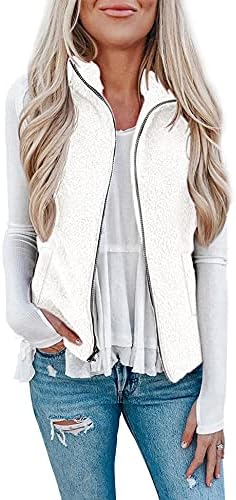 Women's Casual Sherpa Fleece Vest Fall Warm Fuzzy Overwear LightweightA high-pile white sherpa fleece vest cut with a stand collar, smooth front zip, and stitched-down side pockets. 4.3 out of 5 · 4,862 ratings$26.38
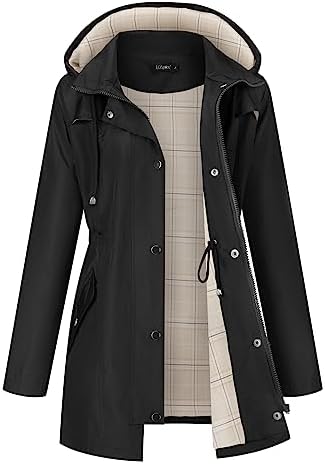 Women Rain Jacket Lightweight Hooded Jackets Women Lined Trench CoatsA lightweight black shell coat lined in woven plaid, with a drawstring hood, cinched waist, and straight hem for wet trail days. 4.5 out of 5 · 2,135 ratings$38.99
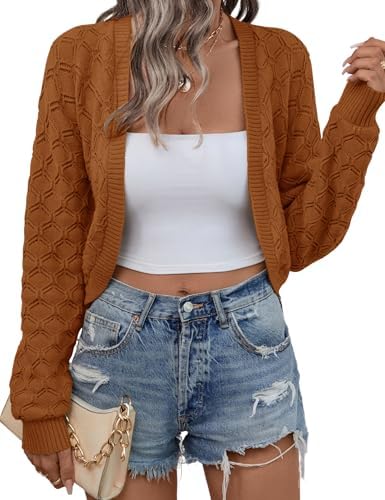 Womens Bolero Shrugs for Dresses Knit Crochet Cardigan Sweaters OpenA cropped open front bolero knit with an open crochet eyelet pattern and long sleeves in warm caramel yarn. 4.3 out of 5 · 466 ratings$19.99
All of Rain & Wind is on one page.
Choosing the right outer layer
Look at the seams, the hood cords, and the front closure before picking your jacket for the day. A lined trench gives steady coverage over knits, while a light shell packs flat when clouds clear. Match the cut to the weather outside, wash the cloth cold, and hang the garment up to dry.
See Rain & WindKeep reading
Other postcards
Why a long sleeve works on bright trailsWe cut 18 pieces for bright trails and open ground. A long sleeve covers the arms without trapping heat when the cut stays loose. Air moves through an open weave while the cloth casts its own shade. These notes explain how our collars, zips, cuffs, and drop hems are put together.Where a neckline lands on the frameA cut begins at the neck and shoulders before cloth drops toward the waist. Across our tops and blouses rail, eighty-three pieces take their balance from where that opening rests against the collarbone and how the sleeve joins the body. Changing the seam placement alters the line of the entire garment.How to read a knit garmentWe cut our knitwear section for cold mornings, windy walks, and quiet rooms. A knit behaves differently from a woven shirt on the table and on the body. Reading the cuff, the shoulder seam, the facing, and the loops tells you how a piece hangs and how it traps warmth.